Search here
 Log In
Halal Meat
What is Halal?
Halal is an Arabic word that means permitted or legal. Generally, by Halal we mean the act of slaughtering the animals by pronouncing the name of Allah the Almighty on them. But in today’s world Halal has become a complete and comprehensive certified food brand that includes the features that food is not derived from or contaminated with swine and its by-products, blood, alcohol or dead animal/s. Halal is an index of Allah the most Merciful to define the standards of cleanliness, hygiene, safety, and quality of food consumed by the Muslims. The term Halal is often used with the issue of slaughtering and meat processing of an animal.
Sharia (the code of practices by Islam) has defined the rules to perform a Halal slaughter. According to which only healthy animals can be slaughtered. In Arabic, the sentence “In the name of Allah, The God is the greatest” must be said before the slaughter (It is called to offer Takbeer). The knife must be sharp enough to allow a single insertion to minimize the animal’s suffering.
Although, the brand Halal covers a wide range of food items like meat and poultry (fresh, frozen and processed products), meat and poultry ingredients, dairy products and ingredients, prepared foods and meals, all other packaged food products, cosmetics and personal care products but here we shall only talk about the meat industry potential globally and in special connection with Pakistan.
Global Halal Market:
The Halal consumer market is increasing swiftly. It is currently worth 16 % of the entire global food industry and is predicted to rise to 20 % in the near future. This market is spread all over the world starting from USA, Canada, Australia and Europe to the Middle East, South East Asia, and North Africa. Muslims cover almost 24% - 25% of the world population that makes almost 1.8 billion inhabitants. According to an estimate 60% of the Muslim population lives in Asia while one-fifth of the population lives in the Middle East and North Africa.
Around 1.8 billion Muslims around the world consume Halal meat. The top five global Halal meat providers have maintained their monopoly over the market for almost a decade. None of the top Halal meat exporters are Muslim majority population countries. The top five Halal meat exporting countries are Brazil, Australia, India, France, and China.
- United States: US$6.2 billion (14% of total beef exports)
- Australia: $5.8 billion (13%)
- Brazil: $5.1 billion (11.4%)
- Netherlands: $3.1 billion (7%)
- India: $3 billion (6.8%)
Pakistan and Halal Meat:
Pakistan is ranked at number nineteen (19) in global Halal meat exports. Here the Halal meat industry is growing 27% annually. The industry has expanded from $14 million in 2013 to $244 million in 2015. Analysts and traders in Pakistan have been calling for a comprehensive strategy to cater for the boom in Halal Market opportunity. In terms of livestock production, Pakistan is currently in the list of top 5 countries for but still unable to be into the top ten for meat exporters. Thailand contributes to almost 6% of the entire Halal meat market globally while Halal meat industry is projected to contribute 5% GDP for Malaysia in 2020. Surprisingly, both of these countries are ranked below Pakistan for livestock production.

Globally the Muslim population is increasing swiftly with a bit the same pace in Europe and North America. The increase in Europe and North America means having access to highly profitable markets. In 2015, Pakistan exported 0.7 million tons of meat. Considering its livestock production potential and timely measures can go a long way in helping Pakistan to reach top ten of the Halal Meat exporters.
Malaysia, an Example to Follow:
We should follow the footsteps of Malaysia owing to almost similar conditions. Malaysia has its own Halal standards, recognizing approximately Hundred (100) organizations across the world as Halal certification bodies. Jamia Markaz Uloom-e-Islamia, Mansoorah in Lahore is the only Pakistani institution on the list. Malaysia can be a model and partner of Pakistan in establishing protocols for guidance for Halal meat and poultry preparation. The Halal food industry has a compound annual growth rate of about 7%, which can be only exploited if Pakistan implements regulations in sync with international standards. Even if stringent quality controls on hygiene, quarantine, animal’s health, packaging and refrigeration are put in place, this industry in Pakistan just needs a few years of concerted efforts to exploit its projected potential of multi-billion Halal trade.
Role of local Players:
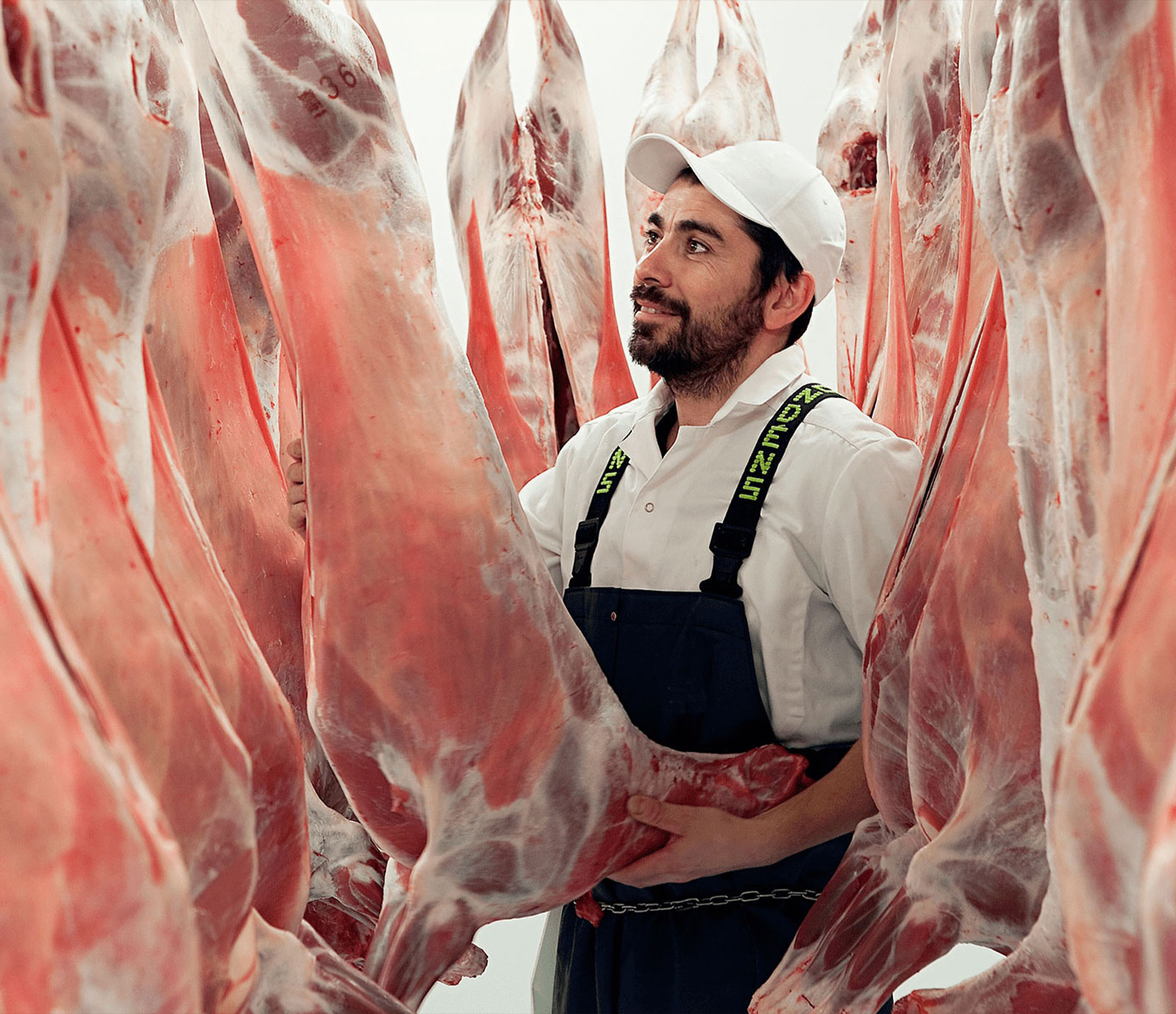
In Pakistan, Fauji Group’s Fauji Meat Limited has installed a state-of-the-art plant with storage capacity for 85 tons of beef and 15 tons of mutton in both frozen and chilled categories per day. However, the market leaders like K&N and Dawn Foods have not really exploited export potential yet in a true sense. Currently, there are around seventeen (17) meat processing units. Nine (09) of them are in Sindh and eight (08) in Punjab. All of them are owned by the private sector. There are only 35 exporters, mainly sending meat to the Middle East. The total volume of Pakistani exports, out of $1.5bn global market, is $244m.
Potential Markets for Pakistan:
The Middle East and North Africa alone surpasses $2 billion to import Halal beef. Egypt, Algeria and Saudi Arabia are the top beef importing countries. Moreover, Turkey and Indonesia are huge markets for Halal products in the Muslim world. In future, The CPEC can take Pakistani meat directly into China. Due to its geographical advantages and cheap labor as compared to competing exporting countries, Pakistan can develop the export market quickly but Pakistan has to change its way of doing business. According to estimations, the demand for meat and meat products will further increase in developed and developing countries but developing countries will see a robust growth as they already have reached a saturation level mainly due to increasing population, per capita income growth, urbanization and nutritional shifts. Halal food has a large market in non-Muslim regions, as well. Europe imports Halal meat worth $66 billion. France is the largest importer of Halal meat among European countries with the imports worth $17 billion. Halal food and Pakistan are synonymous, as only pure Halal meat and other foods are consumed by its entire population.